
Why working with an experienced law firm in Chile can be the difference between losing or saving your investment
If you are about to make your investment, you are probably asking

If you are about to make your investment, you are probably asking

When a municipality begins to pressure your business, the problem is more

Are you starting to feel that your partners are sidelining you? Don’t
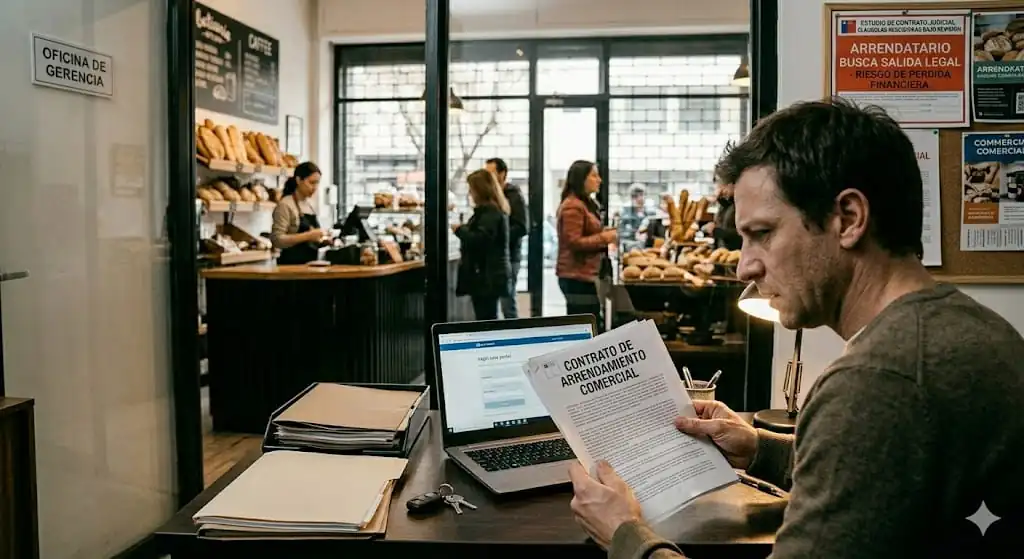
If you are reading this, it is because you already feel the

Dealing with a non-paying tenant in Chile isn’t as simple as sending

Your company has received a labor lawsuit from an employee — or

Buy a property in Chile as a foreigner — just as for

The business shutdown in Chile by the municipality is more common than

For many foreign investors, buying property in Chile is approached as a

In Chilean real estate transactions, especially those involving foreign investors, it is

Commission structures are one of the least transparent aspects of real estate

Every real estate transaction involves people guiding the process—but not all of